Soil Textures: A High-Resolution Resource for Creative Professionals
When it comes to digital design, the right texture can elevate a project from ordinary to extraordinary. Soil Textures is a collection of high-resolution digital textures that offer a unique and authentic look, making them ideal for a wide range of creative applications. These textures are crafted with precision and attention to detail, ensuring they meet the demands of professionals who require both quality and versatility in their work.
Understanding Soil Textures
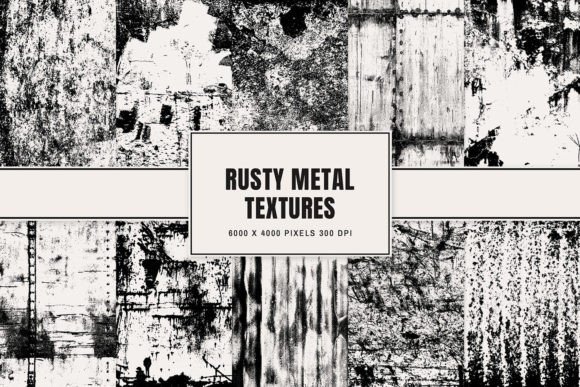
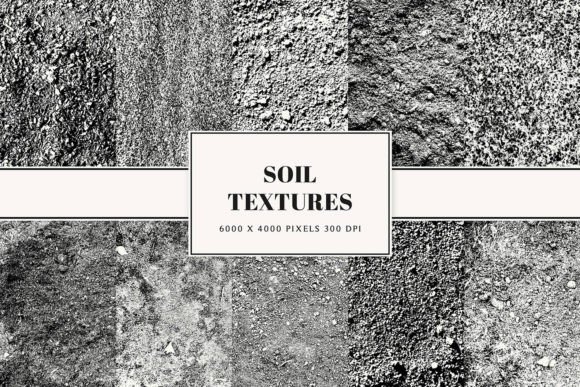
Soil Textures refers to a set of high-resolution digital images designed to mimic the natural appearance of soil. These textures are not just visual elements; they are tools that can add depth, realism, and character to any digital project. Whether you're working on graphic design, branding, or digital art, the ability to incorporate realistic textures can significantly enhance the final output.
What makes Soil Textures stand out is its combination of high resolution, detailed composition, and compatibility with popular design software. Each texture is available in JPG and PNG formats, offering flexibility depending on the specific needs of the project. With dimensions of 6000 x 4000 pixels and a resolution of 300 DPI, these textures are optimized for both print and digital use, ensuring clarity and sharpness even when scaled up.
Key Features of Soil Textures
- High Resolution: The 6000 x 4000 pixel size ensures that each texture maintains its quality even when used in large-scale projects such as posters, banners, or website backgrounds.
- Compatibility: Designed to work seamlessly with Adobe Photoshop CC and higher versions, Soil Textures integrates smoothly into professional workflows.
- Versatile Formats: Available in both JPG and PNG formats, users have the freedom to choose based on transparency needs and file size considerations.
- Rich Color Palette: The use of RGB colors allows for vibrant and accurate color representation, which is essential for maintaining the authenticity of the texture.
These features collectively make Soil Textures a valuable asset for designers looking to add a natural, earthy feel to their projects. However, it's important to consider how these textures compare with other similar resources available in the market.
Comparing Soil Textures with Alternatives
In the world of digital design, there are several options available for textures, ranging from free downloadable packs to premium collections. While some alternatives may offer similar aesthetics, Soil Textures distinguishes itself through its resolution, format versatility, and professional-grade quality.
For instance, many free texture packs found online may lack the high resolution and detailed composition that Soil Textures provides. Additionally, while some paid texture libraries might offer a broader range of themes, Soil Textures focuses specifically on soil-related visuals, which can be particularly useful for projects that require an organic or natural feel.
It's also worth noting that the compatibility with Adobe Photoshop CC and higher versions ensures that users can integrate these textures into their existing design processes without encountering technical limitations. This level of integration is often missing in alternative products that may not be optimized for professional design software.
Best Use Cases for Soil Textures
Soil Textures can be applied across a variety of creative fields. Some common use cases include:
- Graphic Design: Adding a tactile feel to logos, illustrations, or background elements.
- Web Design: Enhancing website backgrounds or interactive elements with a natural aesthetic.
- Photography: Using textures to create overlays or to blend images with a more organic composition.
- Digital Scrapbooking: Incorporating textures into layouts for a more realistic and engaging experience.
- Product Design: Applying textures to mockups or packaging designs to simulate real-world materials.
Each of these applications benefits from the authenticity and high-quality nature of Soil Textures. However, it's crucial to evaluate whether this specific resource aligns with the goals of a particular project before making a decision.
Considerations and Limitations
While Soil Textures offers numerous advantages, there are certain factors to consider before incorporating them into your workflow. One limitation is the specificity of the textures—while this focus on soil-related visuals is a strength for some projects, it may not be suitable for those requiring a wider variety of textures.
Additionally, although the textures are compatible with Adobe Photoshop, users who rely on other design tools may need to check if the formats support seamless integration. Lastly, the cost of acquiring Soil Textures should be weighed against the potential value it brings to the project, especially for smaller or independent creators who may be budget-conscious.
When to Choose Soil Textures Over Other Options
Soil Textures is best suited for projects where an authentic, earthy feel is desired. If you're working on branding that emphasizes sustainability, nature, or organic elements, these textures can serve as a powerful visual tool. They are also ideal for designers who need high-quality, scalable textures that maintain clarity at large sizes.
On the other hand, if your project requires a broader range of textures or a more modern, abstract style, exploring other resources might be more beneficial. It's always advisable to test different options and see which one best fits the overall vision and requirements of the project.
In conclusion, Soil Textures is a compelling choice for creative professionals seeking high-resolution, authentic textures that can enhance their digital artwork. Its strengths lie in its quality, compatibility, and versatility, but it's essential to evaluate whether it meets the specific needs of each project before committing to its use.