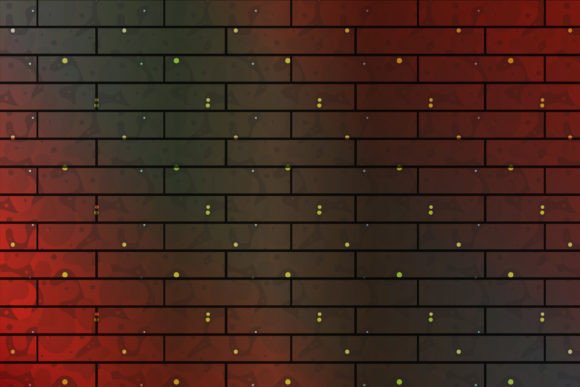
Brick Wall Texture Wallpaper Pattern 79
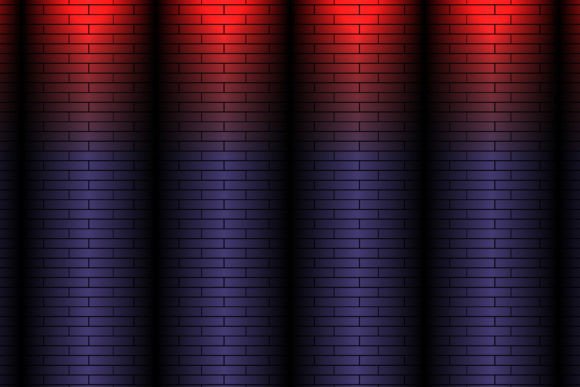
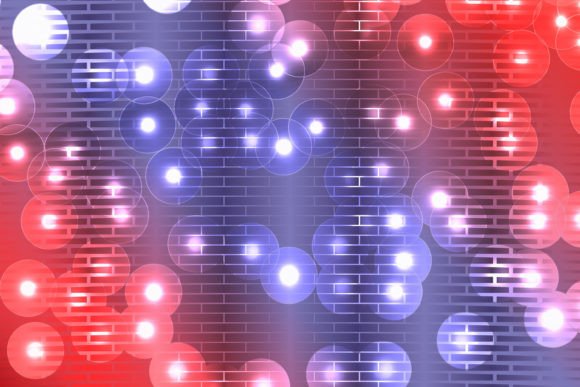
Brick Wall Texture Wallpaper Pattern 79 is a versatile and visually striking design asset that brings the warmth and character of traditional brick textures into modern digital projects. This pattern combines the rustic charm of brick walls with vibrant, colorful elements and geometric shapes, making it ideal for both minimalist and bold visual styles. Its seamless nature allows for easy integration into a wide range of creative applications, from branding to web design. Whether you're looking to add texture, depth, or a touch of organic beauty to your work, this wallpaper pattern offers endless possibilities.
Elevating Visual Communication with Brick Wall Texture
In today’s competitive design landscape, visual communication plays a crucial role in capturing attention and conveying messages effectively. The Brick Wall Texture Wallpaper Pattern 79 adds a unique layer of visual interest that can enhance user engagement across various platforms. Its textured surface provides a tactile feel in digital form, creating a sense of authenticity and depth that flat designs often lack. When used thoughtfully, this pattern can help establish a strong visual hierarchy and guide the viewer’s eye through a design with subtle yet impactful cues.
The inclusion of a dotted circle pattern with colorful dots introduces an element of playfulness and energy, making it especially suitable for creative industries such as fashion, lifestyle, and entertainment. This combination of textures and patterns can be used to differentiate sections of a website, highlight key information, or create dynamic backgrounds for social media posts and marketing materials.
Practical Applications Across Design Fields
Designers and marketers can leverage the versatility of Brick Wall Texture Wallpaper Pattern 79 in numerous ways:
- Branding and Logo Design: Use the texture as a background for logos or brand assets to add a sense of craftsmanship and uniqueness.
- Social Media Graphics: Incorporate the pattern into posts, stories, or banners to create cohesive and eye-catching visuals that stand out in crowded feeds.
- Web and UI Design: Apply the pattern to buttons, headers, or hero sections to create a visually rich environment without overwhelming users.
- Packaging Design: Use the pattern on product boxes or labels to evoke a handcrafted, artisanal feel that appeals to consumers seeking authenticity.
- Editorial Layouts: Add the texture to magazine spreads or blog posts to create a tactile and engaging reading experience.
With its EPS and JPG file formats, this design asset is highly scalable and adaptable to both print and digital mediums. It’s also compatible with most graphic design software, including Adobe Illustrator, where designers can easily customize colors and experiment with new variations.
Choosing the Right Color Palette and Composition
Selecting the right color palette is essential when using Brick Wall Texture Wallpaper Pattern 79. The pattern features a base of warm, earthy tones, which can be enhanced with bright, contrasting colors to create visual pop. Consider how these colors interact with your brand’s existing identity to ensure consistency and professionalism. A well-balanced composition will maintain readability while adding visual intrigue.
When applying the pattern, avoid overusing it. Let it serve as a background or accent rather than a dominant element. Pair it with clean typography and strategic white space to maintain a polished look. For instance, using a bold sans-serif font against a textured brick wall can create a powerful contrast that draws attention to key messages.
Experiment with different layouts and placements to see what works best for your project. The flexibility of this pattern makes it a valuable addition to any designer’s toolkit, offering a blend of creativity and functionality that supports effective storytelling and brand expression.
Incorporating thoughtful design choices like Brick Wall Texture Wallpaper Pattern 79 can elevate the overall quality of your creative work. By combining texture, color, and purposeful composition, you can create designs that resonate with audiences and leave a lasting impression.